
Hiring a Structural Engineer for a Dallas–Fort Worth Commercial Project

Downtown Dallas from across the Trinity River. (Photo: Photo by Max Fray (@thmxfy) on Unsplash · Unsplash License)
If you need a structural engineer in Dallas, Fort Worth or the surrounding cities, start with four checks: the engineer holds a Texas PE license, the firm is registered with the Texas Board of Professional Engineers and Land Surveyors (TBPELS), the team knows the code edition your city has adopted, and they understand what North Texas clay does to foundations. After that, it comes down to relevant project experience and whether they'll stay with you through construction.
This guide is written for owners, developers, architects and contractors on commercial, industrial, institutional and municipal work. Residential foundation inspections are a different market with different questions.
Texas licensing: check the engineer and the firm
Texas law is direct about this. Under Occupations Code §1001.301, a person may not practice engineering in Texas without a license. Under §1001.405, a business entity may not engage in the practice of engineering unless it is registered with TBPELS and the engineering is done by licensed engineers. And §1001.401 requires plans, specifications and reports for a project built in Texas to carry the license holder's seal.
TBPELS publishes online rosters for both individual engineers and registered firms. Check both. An engineer with an active license working through an unregistered or expired firm is a problem you want to find before you sign a contract, not when the city rejects a sealed set.
Know which code edition applies
The International Building Code is adopted city by city in Texas, often with local amendments. Two examples in the Metroplex:
| City | Building code in effect (per city website) | Note |
|---|---|---|
| Dallas | 2021 ICC codes, effective May 12, 2023, with local amendments | Further amendments to the Dallas construction codes took effect in 2025 |
| Fort Worth | 2021 IBC with local amendments, effective April 1, 2022 | Fort Worth publishes its amendment ordinances on its development services site |
Suburban cities such as Denton, Frisco, McKinney or Arlington adopt on their own schedules. Ask your engineer which edition and amendments they're designing to, and confirm with the building department before design starts.
North Texas soils change the structural scope
Much of the Metroplex sits on Blackland Prairie clay. USDA NRCS describes the common Houston Black series as a smectitic clay that develops cracks 1.25 to 10 cm wide when it dries. That shrink-swell behavior drives foundation decisions on almost every project: drilled piers versus spread footings, structural slabs or slabs-on-grade designed for movement, and how far below grade the moisture changes reach.
The structural engineer doesn't produce the soil data. The geotechnical engineer does, and the two have to work closely. Ask how the structural team coordinates with the geotechnical report, and whether they'll review the foundation recommendations before the layout is fixed. It's the cheapest point in the project to change a foundation system.
Loads and Risk Category
Structural loads in Texas come from the adopted IBC and the ASCE 7 load standard it references. The ASCE Hazard Tool gives site-specific design values by address and Risk Category, and your engineer should be using it or an equivalent.
Risk Category affects more than wind. Under the 2021 IBC (§1704.6), structural observations by a registered design professional are required for Risk Category III and IV buildings, high-rise buildings and some others, which matters for schools, emergency facilities and larger public buildings. Some building types, including certain schools and emergency operations facilities, also trigger storm shelter requirements under IBC Section 423. These are scope items you want named in the proposal.
What to expect from a structural engineer by phase
| Phase | What the structural engineer does | What you should receive |
|---|---|---|
| Feasibility / schematic | Framing options, foundation approach based on geotechnical data, rough member sizes | Short narrative, options with trade-offs |
| Design development | Gravity and lateral systems, foundation layout, coordination with architect and MEP | Progress drawings, coordination comments |
| Construction documents | Calculations, sealed structural drawings and specifications, special inspection requirements | Permit set, statement of special inspections input |
| Bidding / permitting | Answers to bidder questions, plan review comment responses | Addenda, revised sheets |
| Construction | Shop drawing review, RFI responses, site observation | Reviewed submittals, field reports |
Questions to ask before you hire
| Question | Why it matters |
|---|---|
| Is the firm registered with TBPELS, and who will seal the drawings? | Confirms legal standing and names the engineer of record |
| What similar buildings have you designed (type, size, structural system)? | A tilt-wall warehouse and a steel-framed school are different problems |
| How do you work with the geotechnical engineer? | Foundation decisions on clay depend on it |
| Which code edition and local amendments will you design to? | Avoids redesign at plan review |
| What construction-phase services are included? | Shop drawings, RFIs and site visits are often where fees get argued |
| What's your turnaround on submittals and RFIs? | Directly affects the contractor's schedule |
| What insurance do you carry? | Owners and lenders often require proof |
Public owners: selection by qualifications
If you're a city, county, school district or other governmental entity in Texas, the Professional Services Procurement Act (Government Code §2254.004) requires you to first select the most highly qualified engineering provider on the basis of demonstrated competence and qualifications, then negotiate a fair and reasonable price. Price is not the first filter. Write your request for qualifications around the experience and team you need.
Working with Isbell Engineering Consultants on a DFW project
Isbell Engineering Consultants is based in Valley View, Texas, in Cooke County on I-35 north of the Metroplex. Our structural engineering services cover structural design in steel, concrete, masonry and timber, assessments of existing buildings, renovation and retrofit, and construction phase services including shop drawing review, site observation and RFI responses. Project types include commercial buildings, industrial facilities, warehouses, municipal and educational buildings. Foundation soil work runs through our geotechnical engineering services. You can see past work in Denton, McKinney, Grapevine and elsewhere in our project gallery. To talk about a project, contact us.
Frequently asked questions
How do I verify a structural engineer in Texas?
Search the engineer's name on the TBPELS licensee roster and the firm's name on the TBPELS registered firm roster. Both should show active status. The engineer who seals your drawings should be a Texas-licensed PE working through the registered firm.
Does a commercial building in Dallas need a structural engineer?
Commercial buildings generally require sealed structural drawings for permitting, and Texas requires a licensed engineer for engineering work on projects built in the state. Your building official will confirm what the permit set needs to include.
What building code does Dallas use?
According to the City of Dallas, the 2021 ICC codes took effect May 12, 2023, with local amendments, and further amendments to the construction codes took effect in 2025. Check the city's code page for the current status before design.
What's the difference between a structural engineer and a foundation inspector?
A structural engineer designs and evaluates structures and seals engineering documents under a Texas license. Many "foundation inspections" in DFW are residential evaluations for home sales or repairs. On a commercial project, you need the engineer of record for design and an engineer for any structural assessment of existing buildings.
Do I need a local DFW engineer?
You need a Texas-licensed engineer working through a TBPELS-registered firm who knows the local code amendments and North Texas soils. A local office address matters less than responsiveness and the ability to visit the site during construction.
Sources
- Texas Occupations Code §1001.301, License Required (Texas Public Law)
- Texas Occupations Code §1001.405, Business Entities / Firm Registration (Texas Public Law)
- TBPELS Acts and Rules (includes §1001.401 seal requirement)
- TBPELS Firm Registration FAQ
- City of Dallas, Current City Code (2021 ICC codes effective May 12, 2023)
- City of Fort Worth, Building and Energy Codes (2021 codes with local amendments)
- Texas Government Code §2254.004, Professional Services Procurement Act (FindLaw)
- 2021 International Building Code, Chapter 4 (§423 storm shelters)
- ASCE Hazard Tool
- USDA NRCS Official Series Description, Houston Black series
- 2021 International Building Code, Chapter 17 Special Inspections and Tests (§1704.6 structural observations)
Image credits
- Downtown Dallas skyline at dusk, including Reunion Tower, reflected in still water across the Trinity River. Photo: Photo by Max Fray (@thmxfy) on Unsplash · Unsplash License
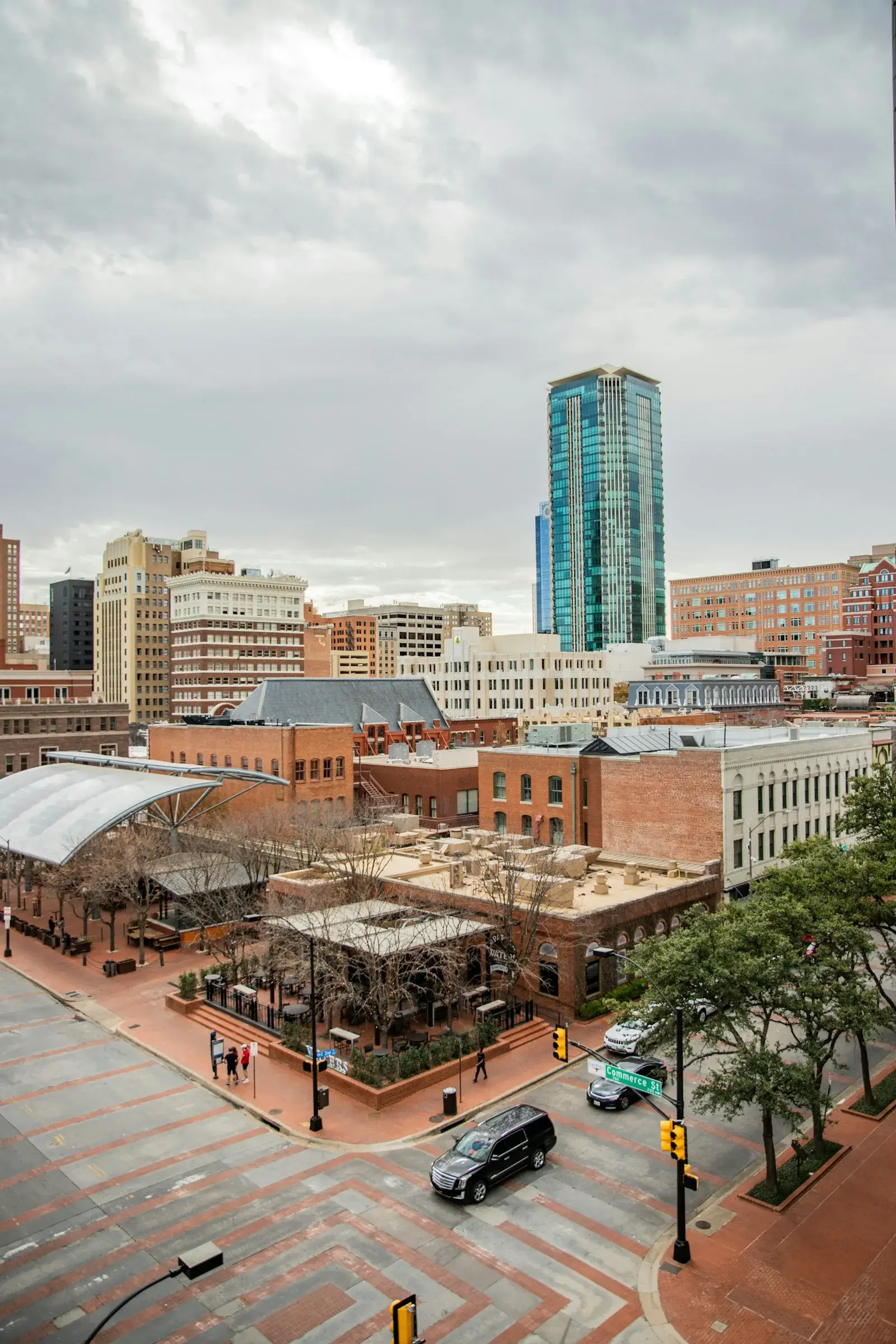
- Downtown Fort Worth, Texas, seen from above, with brick low-rise buildings and a glass office tower. Photo: Photo by Fallon Michael (@fallonmichaeltx) on Unsplash · Unsplash License
Related articles
- Delegated Design and Deferred Submittals: Who Engineers What on a Commercial Project
- Shoring in Construction: The Main Types, the OSHA Lines, and When an Engineer Has to Design It
- Structural Health Monitoring for Commercial Buildings: What to Measure, How Long, and What the Readings Mean on North Texas Clay
Copyright © 2026 Isbell Engineering Consultants - All Rights Reserved.
Made & Managed by North Texas Business Solutions